Why ERP, CRM, and SaaS Stacks Are No Longer Enough
Tools Didn’t Fail - Architecture Did
ERP and CRM systems were revolutionary - for their time.
But they were designed in an era where:
- Data volume was manageable
- Businesses were less distributed
- Decision-making was slower
Today’s enterprises operate in real time, across multiple locations, with constantly changing variables.
Legacy systems simply weren’t built for this reality.
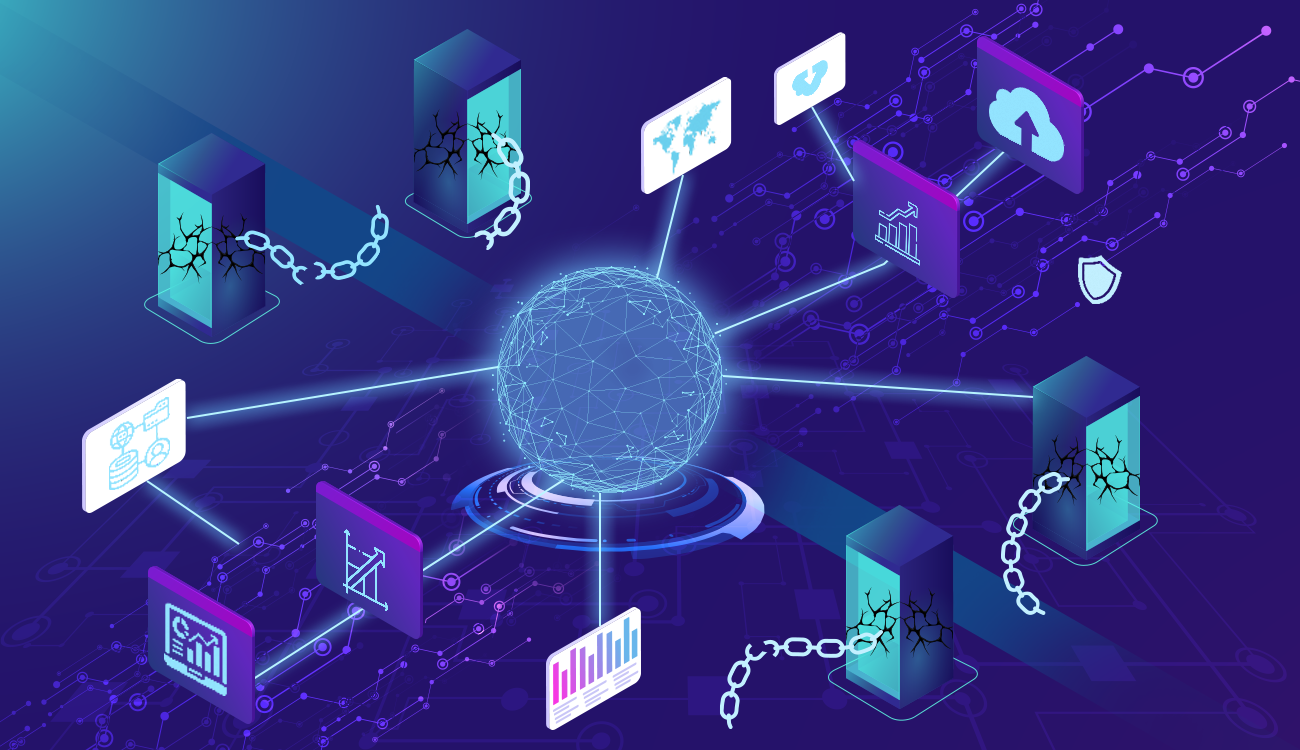
The Hidden Cost of Fragmented SaaS Stacks
Enterprises often don’t realize the true cost of fragmentation:
- Delayed decisions
- Conflicting data interpretations
- Manual reconciliation
- Operational fatigue
Bold Insight:
When intelligence requires dashboards, it’s already outdated.
Why ERP and CRM Can’t Evolve Into Intelligence Systems
ERP systems are:
- Rule-based
- Finance-centric
- Structurally rigid
CRMs are:
- Interaction-focused
- Channel-specific
- Customer-only views
Neither can:
- Predict outcomes holistically
- Orchestrate actions across functions
- Learn continuously without human input
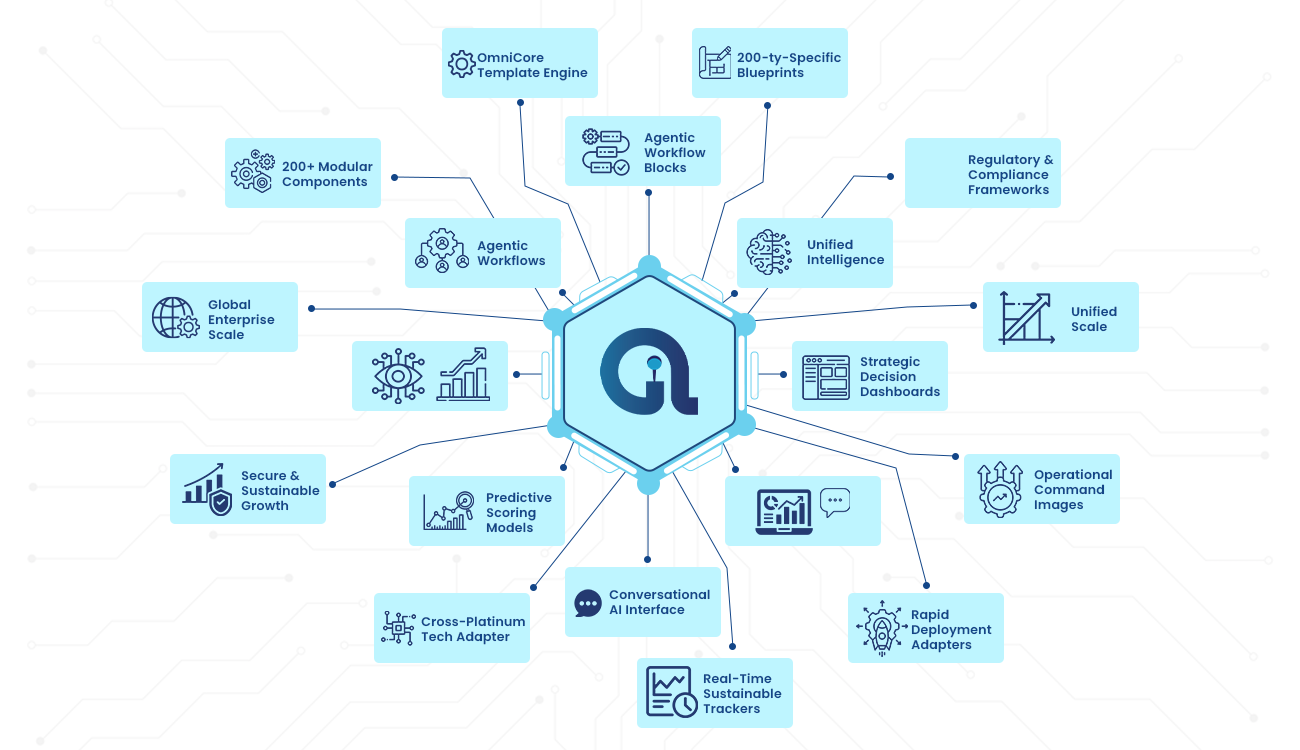
How an AI Business OS Complements (Not Replaces) Existing Systems
An AI Business OS:
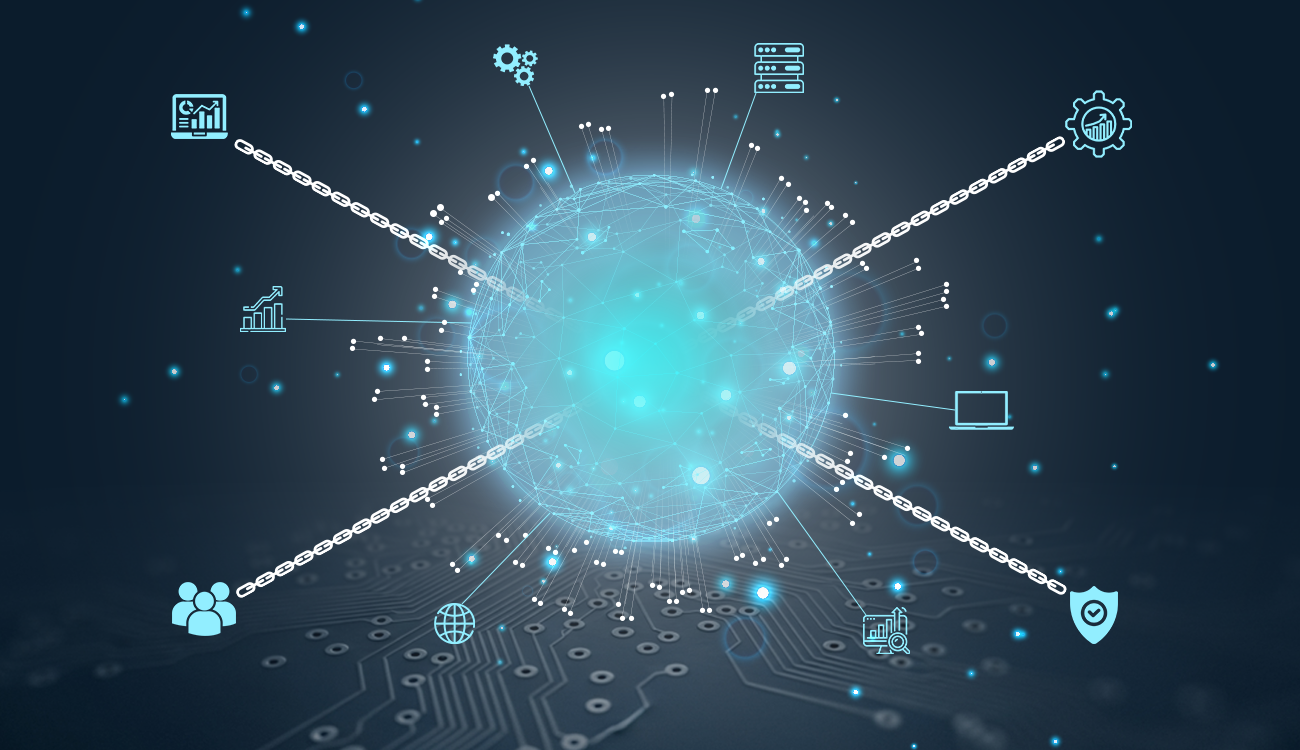
- Sits above existing tools
- Connects data across systems
- Adds intelligence without disruption
This allows enterprises to:
- Protect past investments
- Unlock new value
- Reduce operational friction
The Shift: From Software Stacks to Intelligence Layers
Modern enterprises are transitioning from:
“What tools do we use?”
to
“How does our business think?”
That shift defines the next decade of enterprise technology.